Upper Manhattan Pest Removal: Top Rated Extermination Services
Shield Your Home: Powerful Pest Control Strategies for Homeowners
Effective pest control is essential for homeowners seeking to maintain a healthy living environment. Infestations can result in notable health risks and substantial harm to your home. Recognizing the value of preventative measures is absolutely necessary. This encompasses understanding prevalent pest types and the hazards they bring. Despite this, numerous homeowners find themselves unclear on the best place to start. The information below will detail key strategies to protect your home from these pests and examine lasting solutions for ongoing prevention.
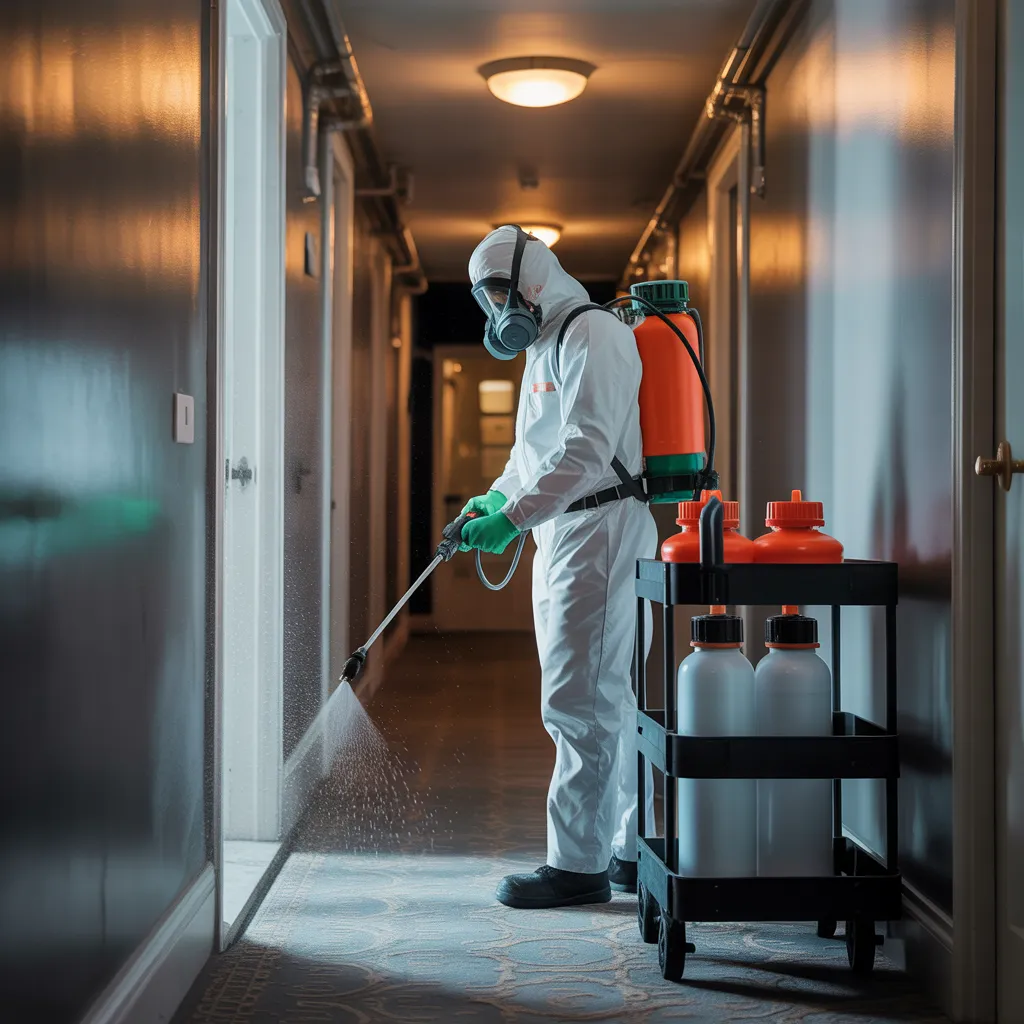
The Significance of Pest Control in Your Home
Efficient pest control is crucial for maintaining a healthy home environment. Common pests including rodents, insects, and termites can present serious risks not only to the condition of your property but also to the well-being of residents. These unwanted visitors can contaminate food sources, spread diseases, and cause allergies. In addition, the structural damage caused by pests, particularly termites can result in expensive renovations and a reduction in property worth.
Homeowners frequently underestimate the need for consistent pest prevention, believing sporadic sightings can be handled easily. Nevertheless, early detection and consistent prevention measures can minimize the chances of widespread pest problems. Taking a preventive stance on pest management ensures a healthier home environment and promotes overall health.
In addition, pest management provides reassurance, allowing families to focus on everyday routines free from the worry of possible pest problems. At the end of the day, prioritizing reliable pest management is vital for sustaining a safe and welcoming living space.
Important Measures to Keep Pests Away
Even though pests can enter any residence, applying key preventive Spokane Valley Water Softeners strategies considerably lowers the likelihood of unwanted invasions. Residents are advised to begin by closing gaps and openings in walls, windows, and doors, which function as entry routes for unwanted visitors. Routinely checking and fixing screens can further prevent pests from gaining access.
Maintaining a clean environment is vital; food ought to be placed in airtight containers and any spills addressed without delay. Additionally, homeowners should manage their outdoor space by trimming vegetation and keeping gutters clear to eliminate potential nesting sites.
Proper waste disposal, employing snug-fitting covers on waste containers, additionally reduces attractants. It is equally recommended to keep firewood stored at a distance from the house, as it has the potential to provide refuge for pests. Finally, regular inspections by pest control professionals are able to detect weak points and offer customized remedies, ensuring a proactive approach to pest prevention.
Frequent Household Pests and Associated Hazards
Prevalent domestic pests, including rodents, termites, and cockroaches, create substantial health threats and can lead to significant property damage. These invaders not only carry diseases but also threaten the structural stability of homes. Homeowners must acknowledge the potential dangers associated with these unwanted pests to properly address their existence.
Types Of Common Pests
Recognizing the various types of common pests is vital for homeowners aiming to maintain a safe and healthy living environment. The most frequently encountered pests include ants, which can overtake kitchens in pursuit of food, and cockroaches, known for their ability to reproduce quickly and survive harsh conditions. Termites pose a significant threat to wooden structures, often going unnoticed until extensive damage has been done. Rodents, such as mice and rats, not only spoil food supplies but can also damage electrical wiring, leading to dangerous fire risks. Moreover, spiders, while typically non-threatening, can be unsettling and some species carry venom. To conclude, bed bugs have become notorious for infesting sleeping areas, causing unease and distress. Detecting these unwanted guests is the primary action in efficient pest elimination.
Health Dangers Identified
Common household pests present serious health hazards, frequently causing numerous illnesses and allergic reactions. Rodents, as a prime example, may carry and transmit hantavirus and leptospirosis through their waste and urine, presenting grave dangers, particularly to young children and older adults. Cockroaches are notorious for triggering asthma and allergic reactions due to their droppings and body parts. In addition, mosquitoes act as transmitters of diseases including West Nile virus and Zika, rendering their presence a serious public health threat. Ants may also cause issues, since particular species are capable of contaminating food supplies and introducing harmful bacteria. While termites are most commonly associated with property destruction, inhaling their droppings can aggravate respiratory problems. Being aware of these health dangers is crucial for homeowners striving to sustain a secure and healthy living space.
Property Damage Issues
Pests not only pose health risks but also threaten the structural integrity of homes. Frequently encountered household pests, including termites, rodents, and carpenter ants, are capable of inflicting widespread damage when left unaddressed. As a prime example, termites devour wood and can undermine structural support beams, causing significant financial burden in repairs. Rodents may gnaw on electrical wires, creating fire hazards and further damaging walls and insulation. Carpenter ants bore through wooden structures to establish colonies, gradually compromising the integrity of the building over time. Furthermore, pests that thrive in damp conditions, such as cockroaches, can promote mold development, worsening existing structural problems. Property owners need to acknowledge the dangers posed by these pests and adopt reliable pest management measures to protect their homes from harm, maintaining a safe and comfortable living space.
Useful DIY Strategies and When to Get Expert Assistance?
Homeowners can tackle a wide range of pest concerns using practical DIY methods that make use of commonly accessible materials and strategies. Straightforward approaches such as sealing cracks, using essential oils, or employing traps can substantially lower pest populations. To illustrate, a combination of vinegar and water can deter ants, whereas diatomaceous earth can be applied in spots where insects are commonly found.
However, there are situations when DIY approaches may prove insufficient. If infestations grow severe or if pests such as termites and rodents pose a threat to your home's structure, consulting a professional becomes essential. In addition, some pests may necessitate specialized extermination methods that are impractical for the average household to deal with independently. Understanding the boundaries of DIY pest control is vital; early action can help save significant time and effort. At the end of the day, a thoughtful combination, merging practical DIY methods with expert help when needed, will deliver a truly pest-free living environment.
Eco-Friendly Pest Control Strategies
For individuals looking for eco-friendly options, sustainable pest control approaches offer effective alternatives to traditional methods. Homeowners can utilize natural repellents such as essential oils, vinegar, and diatomaceous earth to repel pests while avoiding toxic substances. Such natural solutions can interfere with pest behavior and create environments unfavorable for infestation.
Moreover, utilizing advantageous insects, such as ladybugs and lacewings, can help control damaging insect populations organically. Growing pest-deterring plants, like lavender and marigolds, further enhances a garden's defenses while promoting biodiversity.
Routine upkeep measures, encompassing closing off access areas and keeping living spaces clean, can substantially decrease the likelihood of pest infestations. When embracing these green approaches, property owners simultaneously defend their homes and promote environmental well-being. This approach fosters a balanced ecosystem, ensuring that pest management does not come at the expense of the planet.
How to Protect Your Home from Pests Every Season
In order to sustain a pest-free household year-round, residents are encouraged to apply targeted seasonal strategies suited to individual pest types. Routine preventive measures, like blocking potential entryways and ensuring interior spaces remain clean, play an essential role in deterring infestations. Through the integration of these methods, homeowners can establish a reliable defense against intrusive pests.
Pest Prevention Tips for Every Season
Although pests can enter homes at any point, seasonal changes often trigger their activity, making it essential for homeowners to adopt reliable prevention measures throughout the year. In spring, homeowners should focus on sealing cracks and crevices, since insects begin to awaken from their dormant state. Warmer summer weather leads to a surge in ants and mosquitoes; thus, routine yard care, including pruning greenery, becomes essential. As autumn sets in, mice and rats look for protected spaces, making it necessary to inspect for openings around entry points. Cold weather in winter calls for heightened awareness of pests looking for heat; sealing pipes and storing firewood at a distance from the house can help prevent pest problems. Through adjusting pest control strategies according to seasonal changes, homeowners can greatly reduce the likelihood of pest problems throughout the year.
Ongoing Maintenance Practices
Regular maintenance habits are crucial for homeowners looking to maintain pest-free living spaces all year long. Routine examinations of the home's outer surfaces can reveal possible entry points, including cracks or gaps around doors and windows. Closing off these gaps decreases the chances of pests entering the home. Moreover, homeowners should prioritize cleanliness by immediately handling spills and placing food in airtight storage containers. Regular garden upkeep, such as cutting back shrubs and clearing away debris, also reduces areas where pests can thrive. Regularly checking and cleaning gutters prevents water accumulation, which attracts unwanted insects. Finally, scheduling professional pest control inspections can provide early detection of issues, ensuring a proactive approach to pest management. Together, these methods help create a more secure and pest-resistant living space.
Commonly Asked Questions
How Can I Detect a Pest Infestation in My Property?
To spot a pest infestation, homeowners should watch for clues such as droppings, gnaw marks, nests, or visible insects. Unexplained damage or strange noises can also be signs of a pest problem in the home.
Are Some Pests More Common During Certain Seasons?
Absolutely, specific types of pests are season-dependent. For instance, ants along with termites tend to emerge in springtime, while rodent populations may seek shelter in fall. Awareness of these patterns helps homeowners prepare and implement effective pest control measures throughout the year.
What Are the Indicators of a Termite Infestation?
Indicators of a termite issue include mud tunnels along walls, hollow-sounding wood, abandoned wings, and frass resembling sawdust. Residents should investigate these indicators immediately to avoid severe damage to their home.
How Frequently Should I Check My Home for Pests?
Residents should check their premises for pest activity at least every three months. Consistent evaluations assist in detecting potential pest issues early, enabling swift treatment. Shifts in seasons may also impact pest activity, calling for increased vigilance during hotter periods of the year.
Can Household Pets Attract Unwanted Pests Indoors?
Pets can indeed attract pests into a home. Their coat, waste materials, and food scraps offer favorable conditions for bugs and rodents, making routine grooming and sanitation crucial to reducing pest problems linked to owning pets.